Lecce, the heart of Salento, is famous not only for its baroque architecture but also for its food. If you are looking for a genuine way to explore the city, Lecce street food is an experience not to miss.
In this guide you will find the dishes to try, where to find them in the old town, a one-day itinerary and a few practical tips for picking the right bakery.
At a glance
- Must-tries: rustico, puccia, pasticciotto, calzoni, pittule, frisa, mustazzolo
- Historic addresses: Pasticceria Natale (Via Trinchese), Caffè Alvino (Piazza Sant’Oronzo)
- Opening times: bakeries in the morning and afternoon, rosticcerie (savoury snack shops) mostly in the evening
- Golden rule: choose places that bake on the premises and bring out fresh trays all day
Why try street food in Lecce
An authentic experience
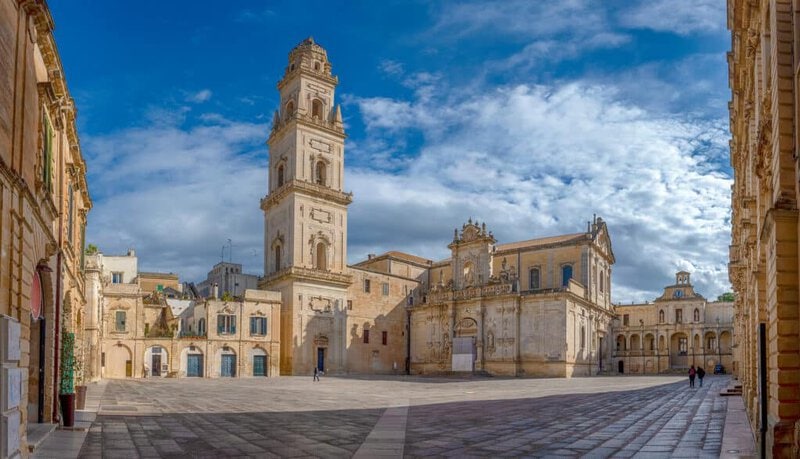
Lecce street food is a burst of traditional flavours that combines simplicity and quality. It is the ideal way to taste local dishes as you stroll through the lanes of the old town or stop in one of its baroque squares.
Right for every traveller
Whether you have a few hours or several days, eating on the street in Lecce is a flexible way to discover the city without giving up on flavour or authenticity.
The best Lecce street food, dish by dish
Rustico leccese
The king of Salento street food: a disc of crisp puff pastry filled with béchamel, mozzarella, tomato and black pepper. Eat it hot, straight out of the oven.
Where to try it:
- Pasticceria Natale, Via Trinchese
- Caffè Alvino, Piazza Sant’Oronzo
Puccia salentina
The puccia is Salento’s signature sandwich: a round bread roll baked in a wood-fired oven and filled with fresh ingredients such as sun-dried tomatoes, grilled aubergine, tuna or the famous capocollo of Martina Franca, a cured pork neck. Versatile, and there is one for every taste.
Where to try it:
- La Puccia Leccese, Via Palmieri TO BE CONFIRMED
- Puccia & Panzerotto, Via Libertini TO BE CONFIRMED
Pasticciotto
Salento’s emblematic pastry: a shortcrust shell filled with soft, velvety custard. Perfect to start the day or for an afternoon break.
Where to find it:
- Caffè Alvino, Piazza Sant’Oronzo
- Pasticceria Ascalone, in Galatina
Calzoni, fried or baked
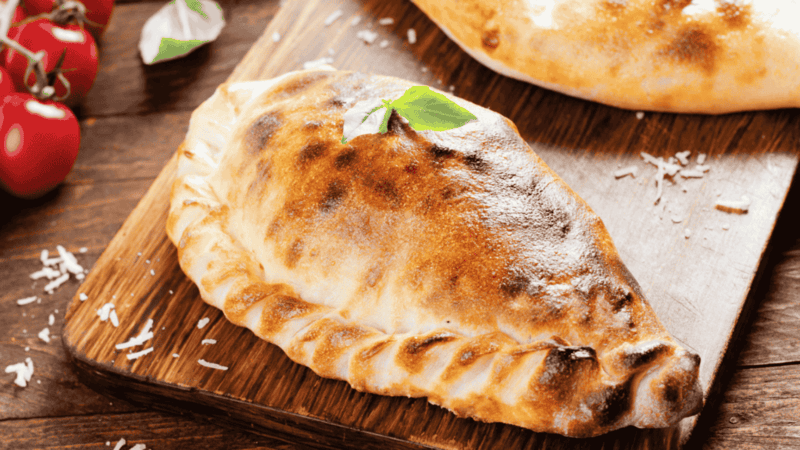
Calzoni, folded pockets of dough, are a highlight of the Salento rosticceria. You will find them fried, with a crisp golden crust, or baked, lighter but just as tasty. Fillings range from mozzarella and tomato to vegetables, or the classic ham and cheese.
Where to taste them:
- L’Antica Rosticceria, Via Palmieri TO BE CONFIRMED
- Il Rustico, Via Trinchese TO BE CONFIRMED
Pittule
Pittule are balls of leavened dough, deep-fried, either plain or with anchovies, sun-dried tomatoes or turnip tops. Perfect as a snack or with a glass of local wine.
Where to buy them:
- Frittelle & Fornelli, Via Fazzi TO BE CONFIRMED
Frisa (frisedda)
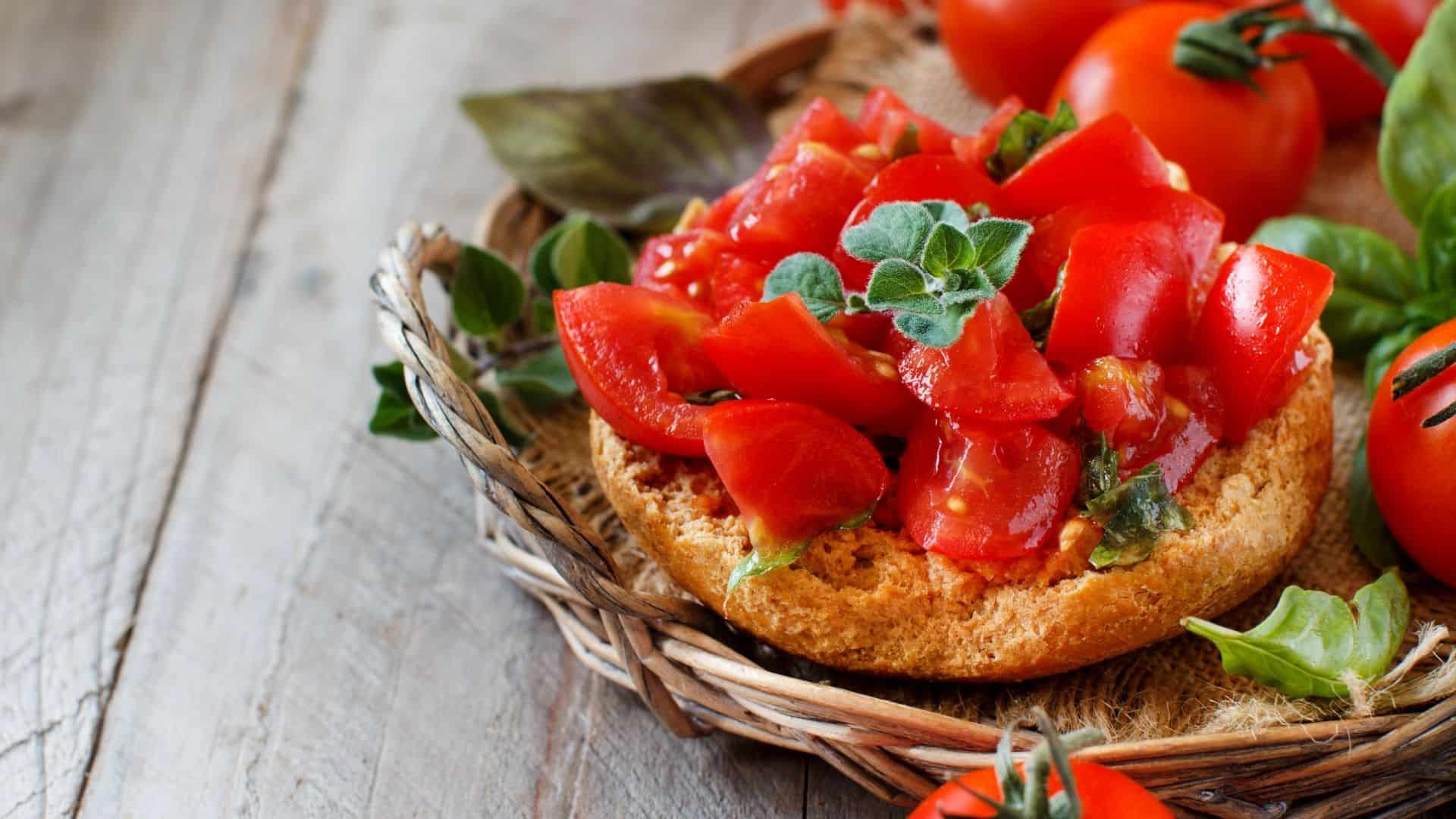
The frisa is a twice-baked bread ring, dipped briefly in water and topped with extra virgin olive oil, fresh tomatoes and oregano. Simple and honest, it captures the essence of Salento cooking.
Where to find it:
- Porta Rudiae market TO BE CONFIRMED
Mustazzolo
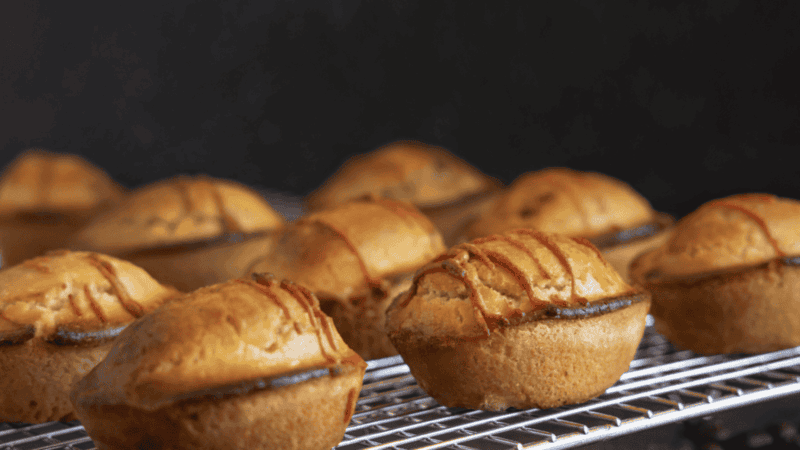
A traditional Apulian sweet, especially in Salento: a spiced, aromatic biscuit with a firm, crunchy texture and a cocoa glaze that makes it particularly moreish.
- Shape: usually diamond-shaped or oval
- Dough: flour, sugar, eggs, extra virgin olive oil and orange or lemon zest, often with cinnamon and cloves
- Glaze: the cocoa coating, traditionally called gileppo, glossier or more matt depending on the recipe
- Pairing: a sweet wine, such as Moscato or a passito made from Negroamaro grapes
The name comes from the Latin mustaceum, an ancient cake flavoured with grape must, although the modern recipe no longer contains it. It is made above all for the holidays, especially Christmas, but Salento’s pastry shops sell it all year round.
Where to eat street food in Lecce: how to choose
Lecce’s old town is compact and easy to explore on foot or by bike: between Piazza Sant’Oronzo, the Duomo, Porta Napoli and Porta Rudiae you will find bakeries, cafés, pastry shops and rosticcerie just a few steps apart. More than any single address, what matters is knowing how to choose:
- Made on the premises: bakeries, cafés and rosticcerie that make their own products bring out fresh trays all day
- Check the counter: smaller cafés often do not bake on site, so fresh products are only available in the morning. Always ask before buying savoury snacks: something reheated is never as good as something straight from the oven
- The right time: bakeries open in the morning and afternoon, with bread, pucce, filled focacce (try the cipollata, with onions, or the one with turnip tops) and the classic rosticceria; the shops that fry usually work in the evening
Lecce by bike, from baroque to the sea.
We deliver bikes or e-bikes to where you are staying in Lecce, set up for your size: premium e-bikes at €50 per day, with free delivery and collection in Lecce, Otranto, Melendugno and the places in between, from 8am to 8pm.
Book your bike on WhatsApp →A one-day Lecce street food itinerary
Morning: sweet things and history
Start the day with a pasticciotto and a caffè leccese (iced espresso with almond milk) at Caffè Alvino, in Piazza Sant’Oronzo. After breakfast, visit the Roman amphitheatre and carry on towards the Duomo. Stop at a pastry shop in the centre and try a mustazzolo, the spiced biscuit glazed with cocoa.
Lunch: rustico
For lunch, stop at Pasticceria Natale for a hot rustico, then stroll to Porta Napoli.
Afternoon: snacks and workshops
Head towards Porta Rudiae, where several cafés serve a fried calzone. It is also the moment to explore the lanes of the old town and discover the artisans’ workshops.
Evening: puccia, pittule and good company
End the day with a puccia salentina and a plate of pittule, with a glass of Negroamaro, Salento’s signature red wine, in one of the traditional places in the centre.
From street food to the sea: Lecce by bike
Lecce is also an excellent base for cycling: in a day you can reach the castle of Acaya, the Le Cesine nature reserve and the Adriatic coast. A puccia in your backpack, and lunch is sorted.
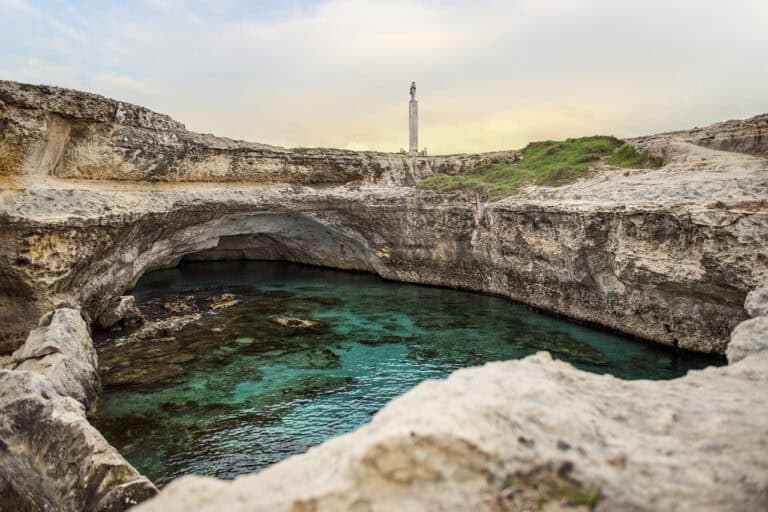
Discover bike rental in Lecce with hotel delivery, the bike tour from Lecce to Acaya and the day tour from Lecce to Acaya, the Grotta della Poesia and Otranto. If you want several days in the saddle, there is the Salento bike tour from Lecce.
Lecce street food is not just about eating: it is a journey into Salento’s culture and traditions. From rustici to pasticciotti, from pucce to pittule, every bite tells a story.
Practical tips for your street food tour
- Local specialities: sweet or savoury, choose places that make their own
- Rustico: ask when the next batch comes out of the oven
- Frisa: perfect in the hottest hours, fresh and light